Most bad website projects don’t explode. They don’t end in dramatic emails or late-night arguments.
They drift. Quietly, gradually, almost politely.
Until one day you look at what you’ve built and think, “This wasn’t the plan.”
This was one of those projects. Which is interesting, because it didn’t start badly at all. In fact, the client came to me after working with two previous designers who hadn’t quite delivered, especially on the UX side.
So from the beginning, this wasn’t just a build. It was supposed to be the fix.
The Competitor That Looked Better Than It Was
Like most projects, there was a reference. A competitor he liked.
At first glance, it worked. Bold, energetic, eye-catching. The kind of site that makes a strong first impression in the same way a flashy restaurant does from the outside.
But once you step inside, things change.
On mobile, elements didn’t quite behave. Text alignment seemed to make spontaneous decisions. Images were cropped in ways that felt accidental rather than intentional. Structure was more suggestion than system.
It sold the feeling of quality without actually being built for it. And that is a surprisingly powerful illusion.
Two Directions That Don’t Mix
From the beginning, I made it clear what direction made sense for his brand.
Clean. Structured. Premium. Something that holds up over time.
Not chaotic. Not splashy. Not dependent on visual noise to feel interesting.
To his credit, he agreed. Completely. But agreement at the start and consistency throughout a project are two very different things.
As the project progressed, especially once visuals started coming into play, he gradually drifted back toward that competitor’s style, even though it conflicted with what we had already agreed to build.
It’s a bit like deciding to build a modern house and halfway through saying, “What if we made it a log cabin instead?”
Both can work. Just not at the same time.
The Expectation of “Wow”
There’s a quiet expectation many people have. That a website should feel impressive almost immediately.
But good websites aren’t magic tricks. They’re built in layers.
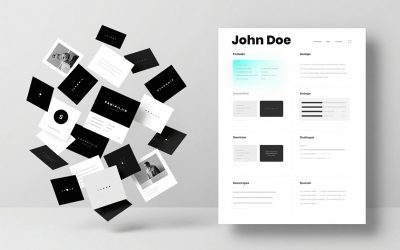
Structure. Wireframe. Content. Visuals. Refinement.
At this stage, we had the bones. What we didn’t have yet was the skin.
“We’ll Send More Images”
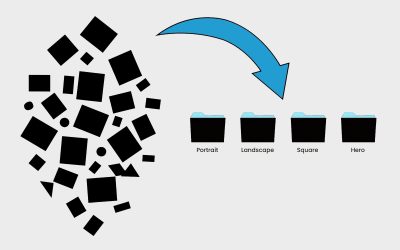
I was given a handful of images, with the promise that more were coming.
They didn’t.
So I used what I had as placeholders and explained exactly that. This was about establishing direction, not delivering the final polish.
Everything was still on track.
Then came the question:
“When is it going to pop?”
It’s a fair question. It’s just slightly early.
Because asking for “wow” without the right inputs is like asking a trailer to feel like a finished movie.
The Real Gap
The competitor had professional photography. Proper lighting, composition, consistency.
My client had self-shot images.
Not terrible, but not nearly on the same level.
And that gap shows immediately.
There were also constraints in the background, like available content and resources, that didn’t quite match the level of outcome being expected. That’s not a criticism. It’s just reality.
A premium result requires premium inputs.
“Can You Just Move This Here…”
Now this part, I actually enjoy.
Move this. Adjust that. Try something different.
That’s collaboration.
And in the beginning, it worked well. He was open to feedback, and we were building something solid.
But over time, as he leaned more toward that competitor’s style, the changes became less about refining and more about reshaping the entire direction.
And here’s the tricky part.
You can explain why something works. You can explain why something doesn’t.
But you can’t force someone to see it.
The Moment Projects Collapse
Then came the moment.
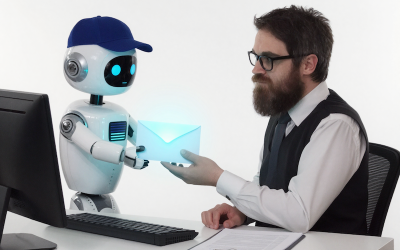
He sent me an AI-generated image he really liked.
Now I use AI. Properly. It’s a powerful tool when used well.
This wasn’t that.
If I’m being honest, it was crap. It looked artificial and slightly off, the kind of image that quietly lowers the quality of everything around it.
But it was also clear he liked it.
As I started explaining where it might cause problems, he responded with:
“I thought you said you could do this. Refund me, I’ll find someone else.”
And this wasn’t early.
This was near the end of the project. After weeks of work, constant revisions, and going well beyond what was originally scoped.
He had paid a 50 percent deposit.
By that point, I had already done more work than the full value of the project. I’m not even kidding.
That’s usually where projects end.
Instead of Arguing, Change the Game
At that point, I could have argued. Explained more. Pushed back harder.
But there was something more useful in that moment.
He was now open to AI-generated visuals.
Just not executed properly.
So instead of arguing, I shifted gears.
I told him to leave it with me. I’d make it pop.
Not as a pitch. Not as a negotiation. Just a reset.
Fixing the Problem Without Making Noise
From there, I took full control of the visual direction.
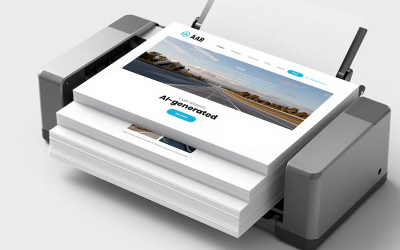
I created AI imagery that actually looked real. Clean, consistent, aligned with the brand.
And yes, I used the image he sent. Not because it was good, but because he liked it. The trick was placing it in a way that didn’t drag everything else down.
At the same time, I quietly guided the layout back toward what worked from the beginning.
No big announcements. No “I told you so.”
Just execution.
When It Finally Works
Once everything came together, structure, visuals, refinement, it clicked.
Because now, finally, the inputs matched the expectation.
Same business. Same website.
Different result.
And Then… Traffic
About a day after launch, the next question came.
“Why isn’t my traffic up?”
This is where expectations need a small adjustment.
Your website doesn’t create demand. It converts it.
Traffic comes from social media, ads, brand presence, and search over time. A website is where that traffic lands, not where it begins.
Expecting it to outperform an established competitor immediately is like opening a burger shop today and wondering why you’re not outselling a national chain tomorrow.
Ambitious. Slightly optimistic.
The Quiet Truth Most People Miss
Most people don’t realise this, but it explains almost everything.
Design isn’t photography.
Layout isn’t branding.
Inspiration isn’t strategy.
Mix those up, and things don’t fail loudly.
They drift.
What This Taught Me
This wasn’t a bad project. In the end, it worked.
But it reinforced something I pay much closer attention to now.
Even good projects go wrong when direction isn’t held steady.
Final Thoughts
Most people think websites fail because of bad design.
They don’t.
They fail because the direction keeps changing.
Let’s Build It Properly
If you want a website built with clear thinking, strong structure, and the right inputs from the start, we’ll work well together.
If not, this process will probably frustrate you.
And that’s usually where things begin to drift.